- Organisation
- BBC
- Team
- BBC Live and R&D, with Condense
- My role
- Lead content designer and design project lead
- Year
- 2023–2025
- Recognition
- 4 industry awards
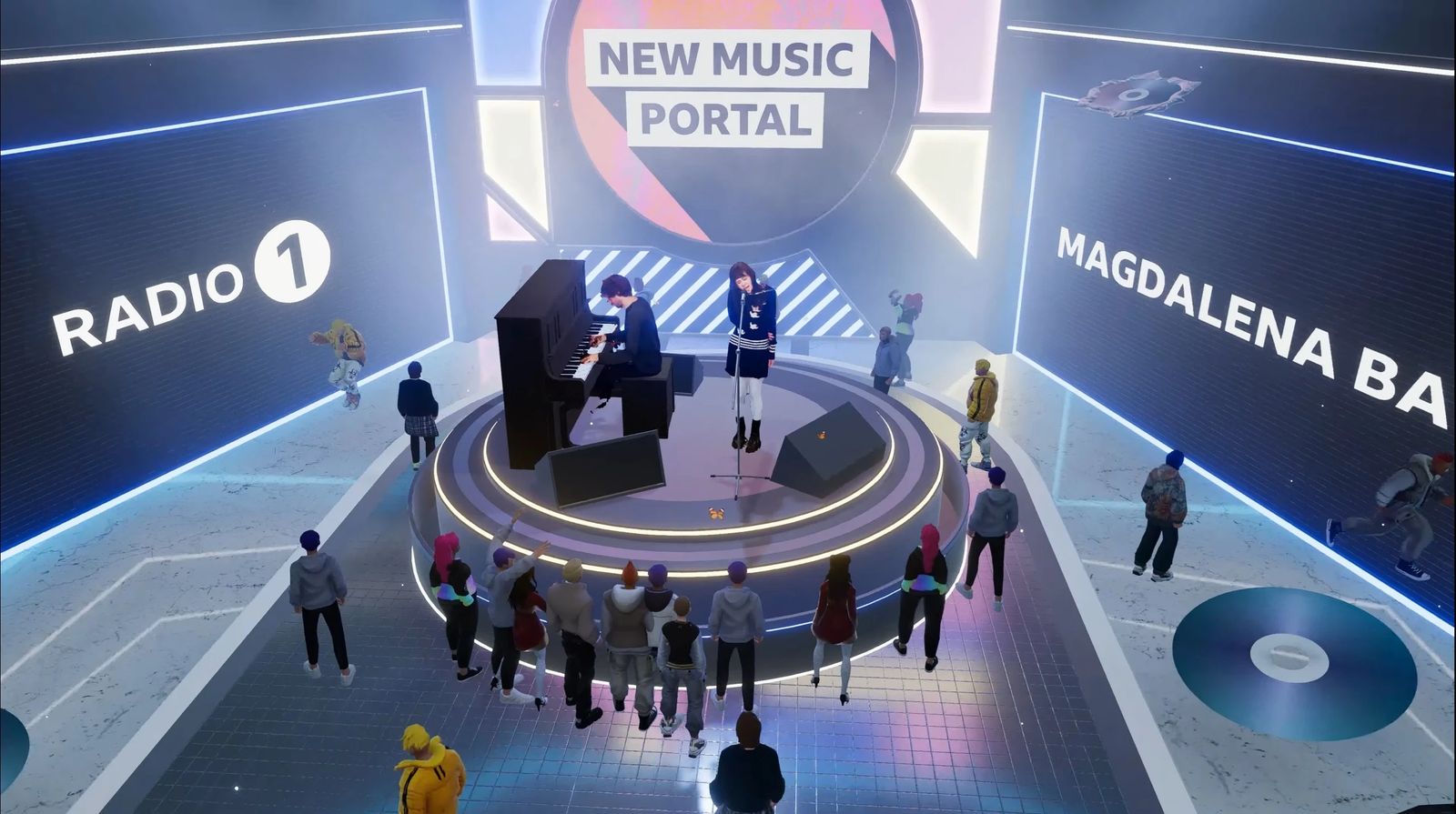
A gig without leaving the sofa
What if you could go to a Radio 1 gig without leaving your sofa?
The New Music Portal explored that idea. Built with technology partner Condense, it captured real artists in 3D as they played and streamed them live into a virtual venue, alongside Jack Saunders' Radio 1 New Music Show. Audiences arrived as avatars and watched a photorealistic performance from any angle.
No headset. No app. No ticket. Just a phone or laptop.
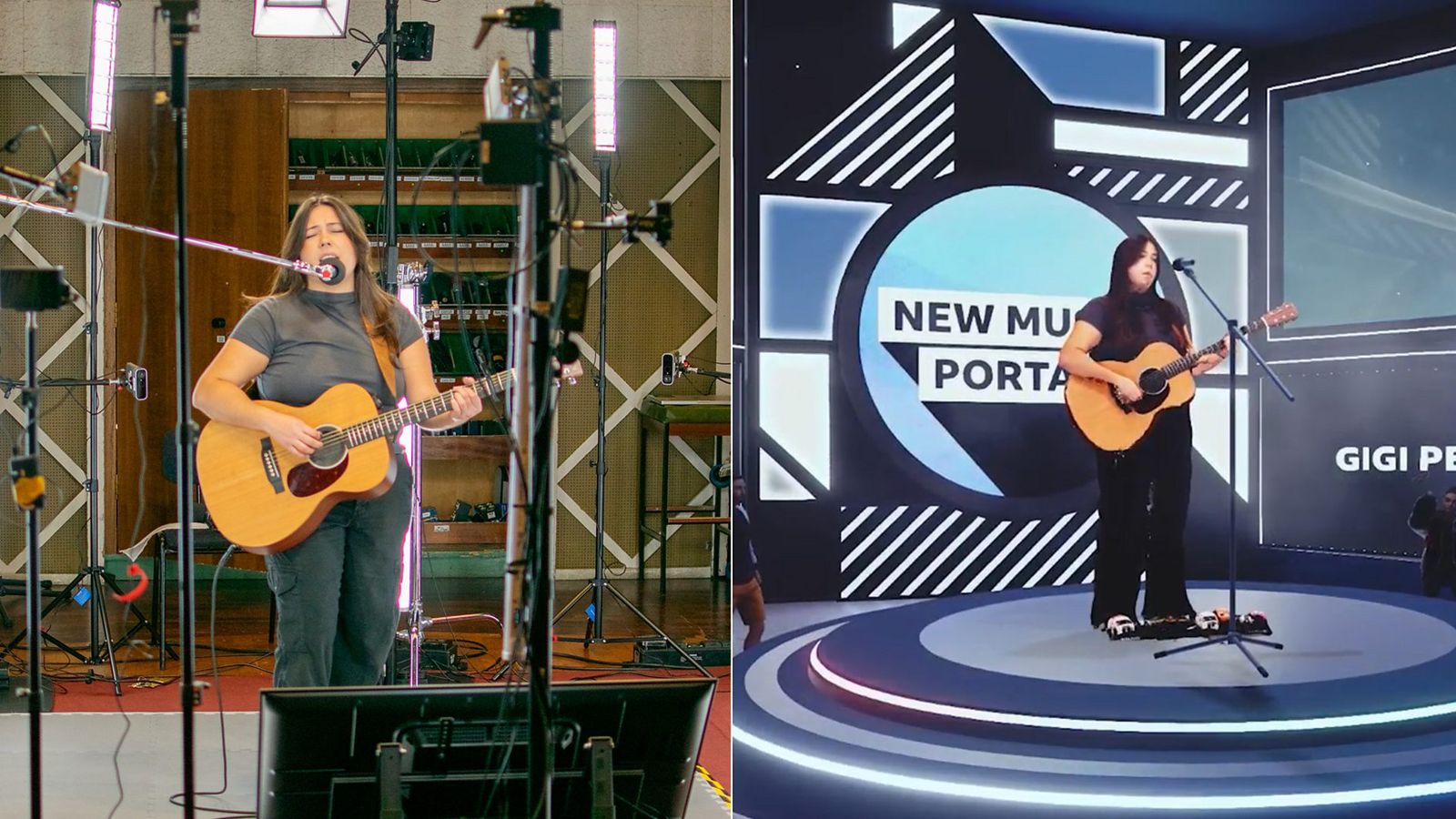
That mattered. Plenty of young people can't get to gigs, festivals or clubs because of where they live, what it costs, their age or their circumstances. The Portal was a way to bring them closer to the artists they love.
The ambition was bigger than another way to watch a performance. We wanted somewhere people could arrive, explore and spend time with other fans while the music played.
An unfamiliar idea, and two visions of it
There was plenty to work out. The technology was new and most people had never been to a virtual venue, so nobody yet knew what would make one worth visiting.
Even the basics weren't a given. Before we could think much about audiences, we had to prove the live experience was reliable and work out how it would run on the night.
Then there was a less obvious challenge: the two partners started from different places.
Condense had an ambitious vision for its technology: a world-leading immersive music experience for serious music fans. The BBC started with the audience, and what they might actually want from it.
My role
I was lead content designer and the design-side project lead, working closely with a senior project manager.
That meant two jobs at once:
- owning the content and the story: the creative proposal, content strategy, voice and tone, interface copy and scripts
- leading design on the project: redesigning the onboarding journey end to end, shaping the experience with visual designers and researchers, and building relationships across BBC teams and directly with Condense
Gig, game or adventure?
Research gave us the first real surprise. Many younger users didn't see the virtual spaces as an immersive music platform. They saw a game. They wanted to explore, play and discover.
In hindsight, maybe it shouldn't have been a surprise. An estimated 14.8 million under-24s in the UK identify as gamers, and for many of them, places like Fortnite and Roblox are where they hang out with friends.
But it wasn't what the technology had been designed to deliver. Before long, nobody could agree what the Portal actually was. A gig? A game? An adventure? Without an answer, every decision about venues, features and language risked being argued from scratch.
A story everyone could get behind
To break the deadlock, I wrote a creative proposal: the backstory for the whole experience, setting out the world we were building and tying every creative decision back to what research had told us.
Each idea in it followed the same chain of reasoning:
- what our users told us
- what we'd say to them as a result
- why we thought that was right
- what it would look like in the experience
At its heart was one decision. We would shamelessly embrace the lack of reality. This wasn't a normal concert, so it shouldn't look, feel or behave like one.
That gave the Portal its story. You wait in a futuristic lobby, drop through a portal and land in a new world built for each artist.
It also gave us an angle the big gaming platforms couldn't copy. Fortnite and Roblox can book the world's biggest stars. We had Jack Saunders and Radio 1's knack for finding artists early, so the pitch became: watch the headliners of tomorrow, in virtual today.
The proposal turned out to be one of the most effective tools on the project. It gave Condense, BBC teams and the people promoting the Portal one shared answer to "what is this?", with the evidence to back it up.
Giving an unfamiliar experience a voice
For technology most people had never seen, language did a lot of the work. People needed to understand what they were entering, what they could do and why they might want to stay.
I established the voice and tone and wrote the interface copy. Following the proposal, it was playful and confident, never technical:
You don't need a headset, an app or the latest tech.
Because what's a gig without friends?
That language became a reference point for colleagues promoting the Portal on social media and on air, so the experience felt consistent wherever people came across it.
It reached the broadcast too. I wrote Jack Saunders' introduction for the launch trailer, and the scripts he delivered inside the Portal itself. Research had told us the experience needed more theatre and more moments of hype, so the scripts turned Jack into a hype man, and quietly taught people how to take part:
Come on, come on, gather round – get a bit closer. Let me see you all – don't you all look great? … I wanna see you all go absolutely crazy out there on three, bust a move, jump up and down, hit those emotes in 3, 2, 1, let's go.
Then a countdown, and the artist arrives. After the set, Jack pointed everyone to the Discord, so the conversation could carry on.
Redesigning the first few minutes
The first few minutes were where people most needed help. Before they'd seen a single note of music, they had to wait for their device to load a 3D world, work out the controls and figure out what was going on.
As research and feedback showed where people were getting lost, I redesigned the whole journey around those moments. It went well beyond the words: I did the visual design, built prototypes, and demoed the new approach directly to Condense's CEO.
The redesign followed someone from loading screen to the last song.
A system check that felt like progress. Checking device compatibility and internet speed used to be a technical pause. The new version introduced Radio 1 branding early, with clear messages and a sense of moving forward through each stage.
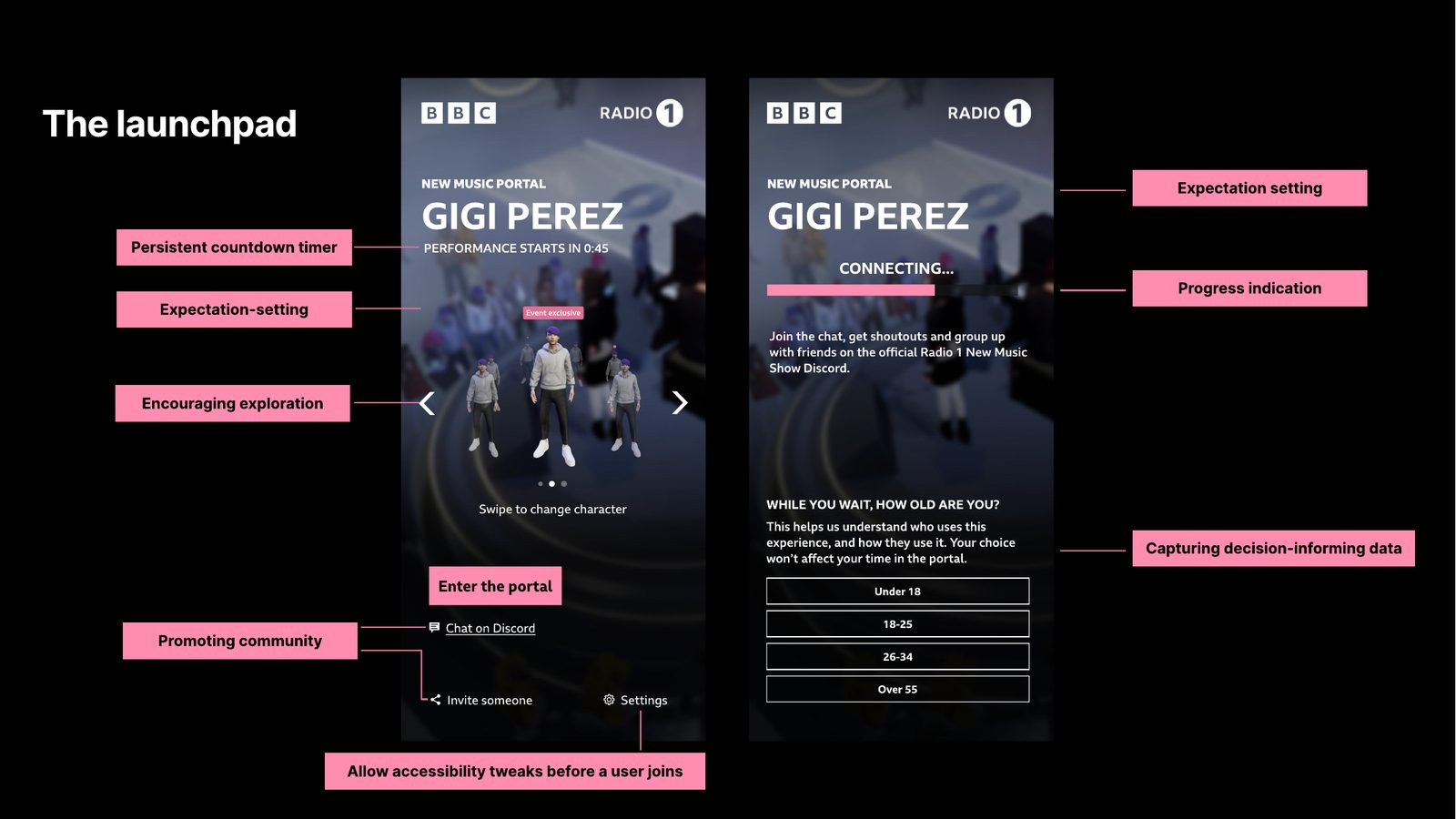
A launchpad that built anticipation. Before entering the venue, people saw who was playing, with a persistent countdown to the performance. They could swipe through characters to choose who they'd be, and find the Discord community, invite a friend or adjust accessibility settings before joining. While it connected, a single optional question helped us understand who was using the Portal, making clear the answer wouldn't change anything about their visit.
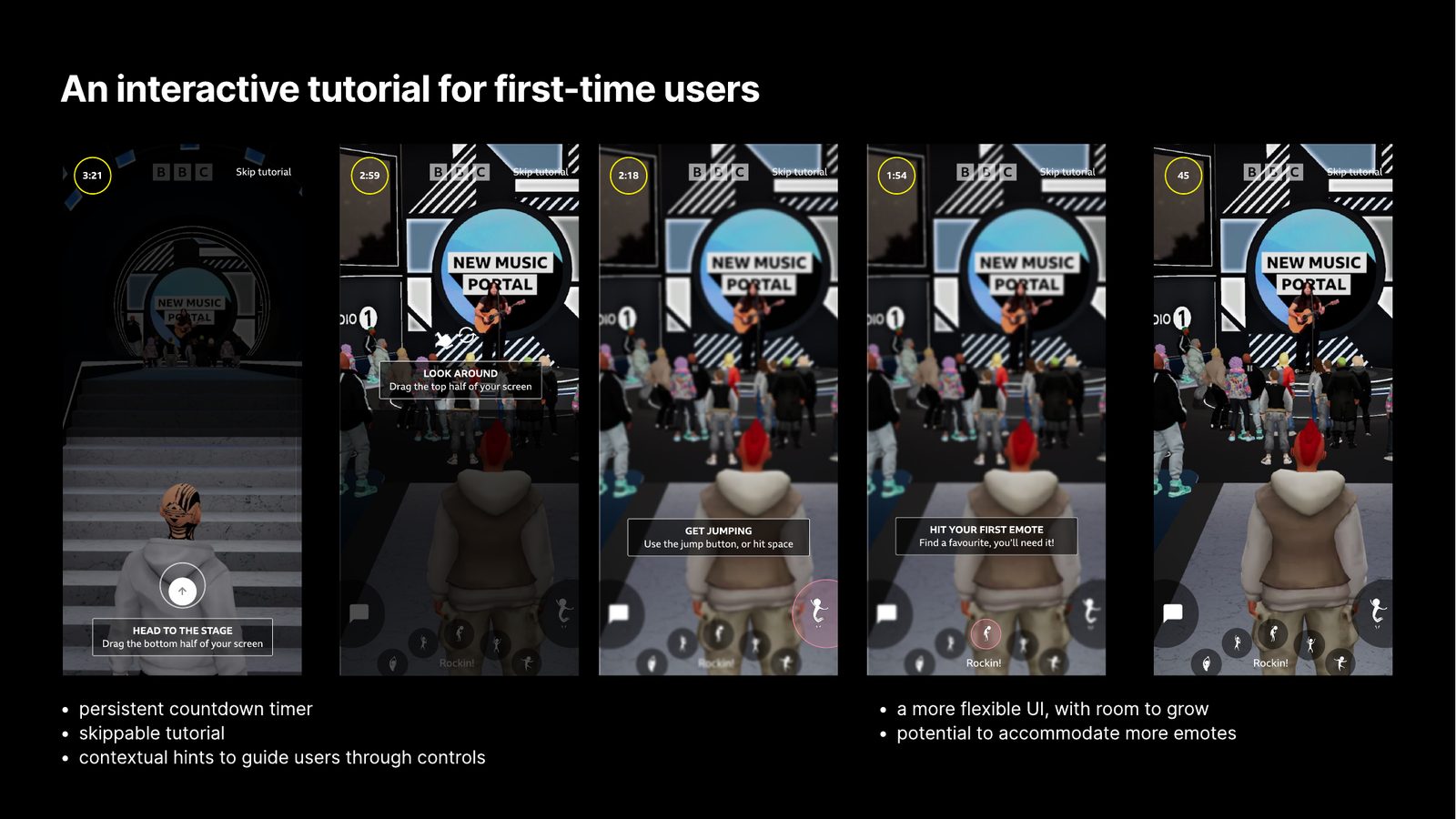
A tutorial you could play. First-time visitors got a short, skippable tutorial inside the venue itself. Contextual hints taught one control at a time: look around, head to the stage, jump, hit your first emote. All while the countdown to the performance kept ticking.
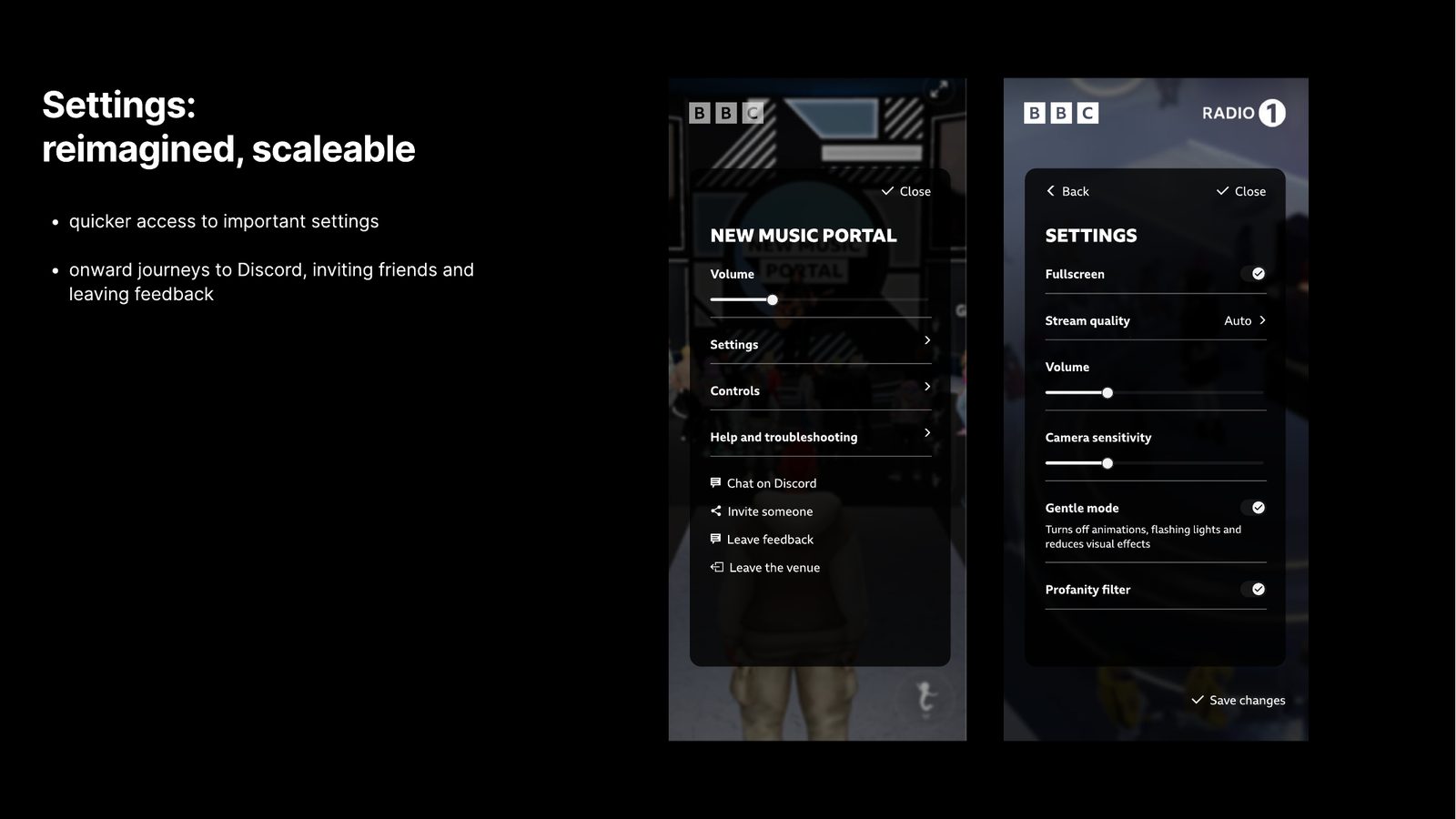
Settings that put people first. Settings were reorganised so the important ones were quicker to reach, including a "Gentle mode" that turns off animations and flashing lights. The same menu opened up journeys to Discord, inviting friends and leaving feedback.
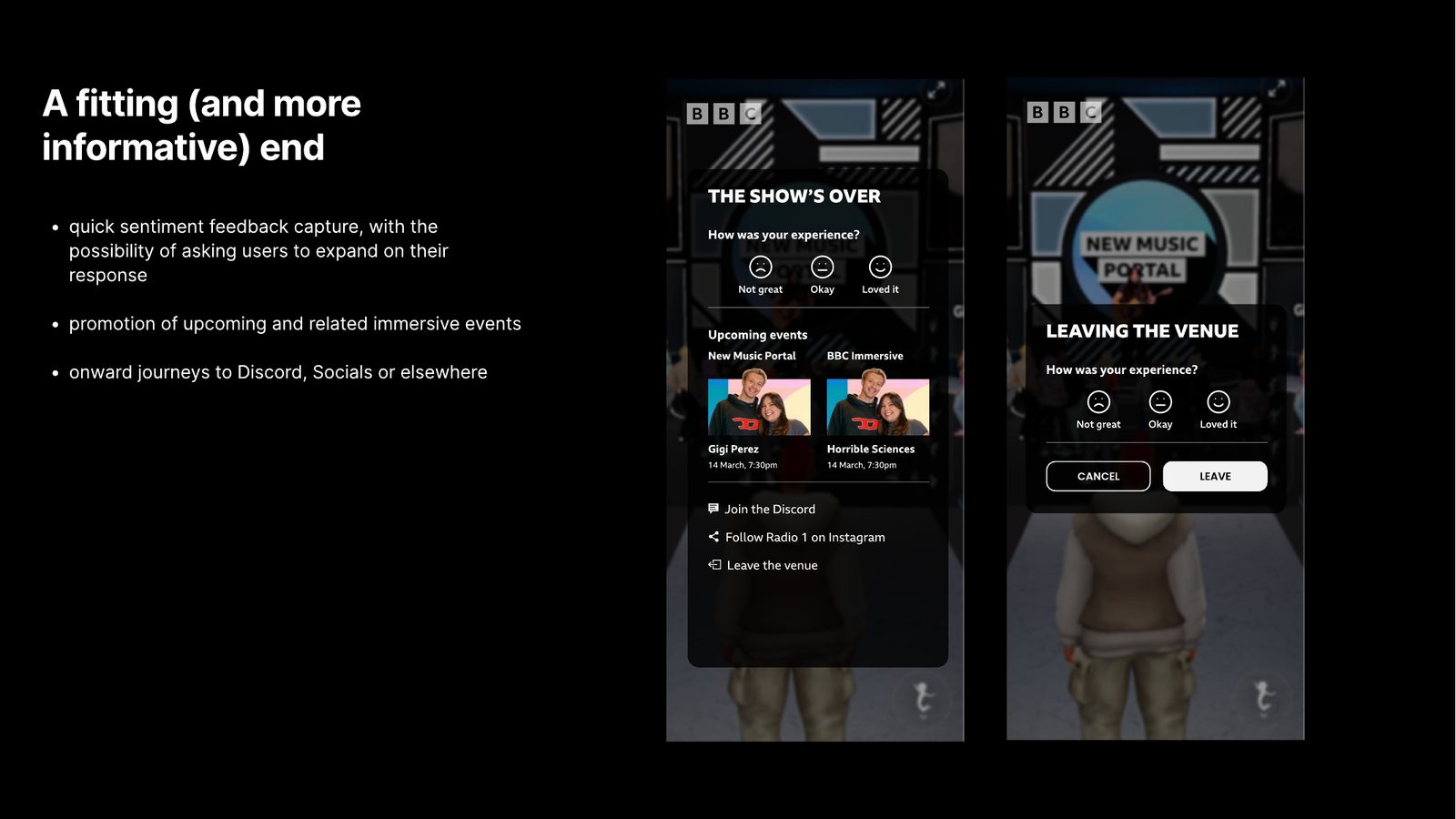
An ending, not just an exit. When the show finished, people got a quick way to say how it went, a look at upcoming events, and somewhere to go next, whether that was Discord or Radio 1's socials.
From experiment to Big Weekend
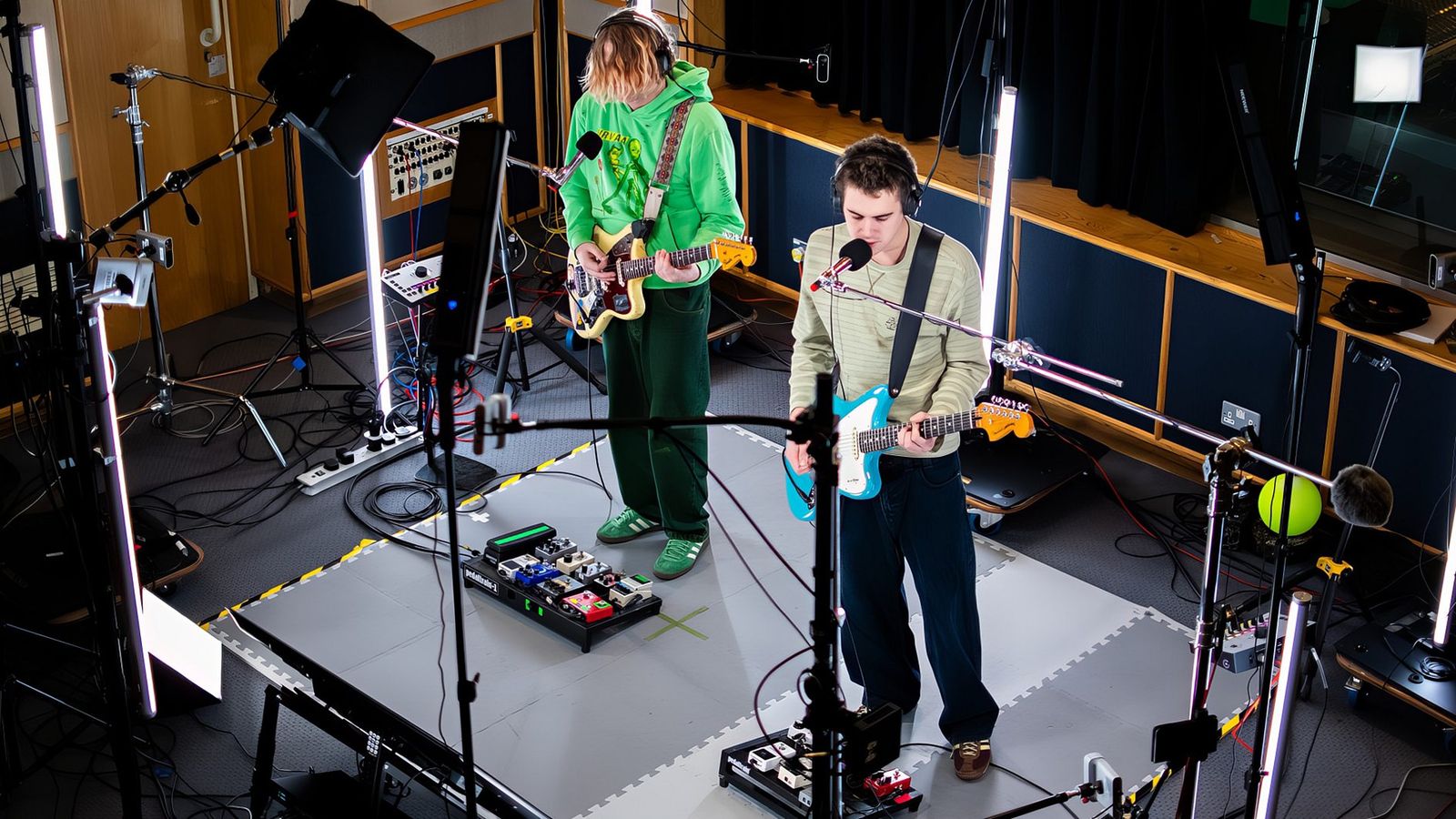
What started as reliability and workflow testing grew into a recurring, branded series of live events. Most were captured at the BBC's Maida Vale studios, with 30-minute sets on the New Music Show from artists including Confidence Man, Royel Otis, Nilüfer Yanya, Magdalena Bay and Gigi Perez.
Each event was another chance to learn about the audience and improve:
- the virtual venues and their atmosphere
- the interfaces and signposting
- the onboarding journey
- the reliability of the live experience
The Portal then grew offshoots: a one-off Radio 1 Rave Lounge, a BBC Introducing virtual festival with thirteen up-and-coming acts, and finally Radio 1's Big Virtual Weekend.
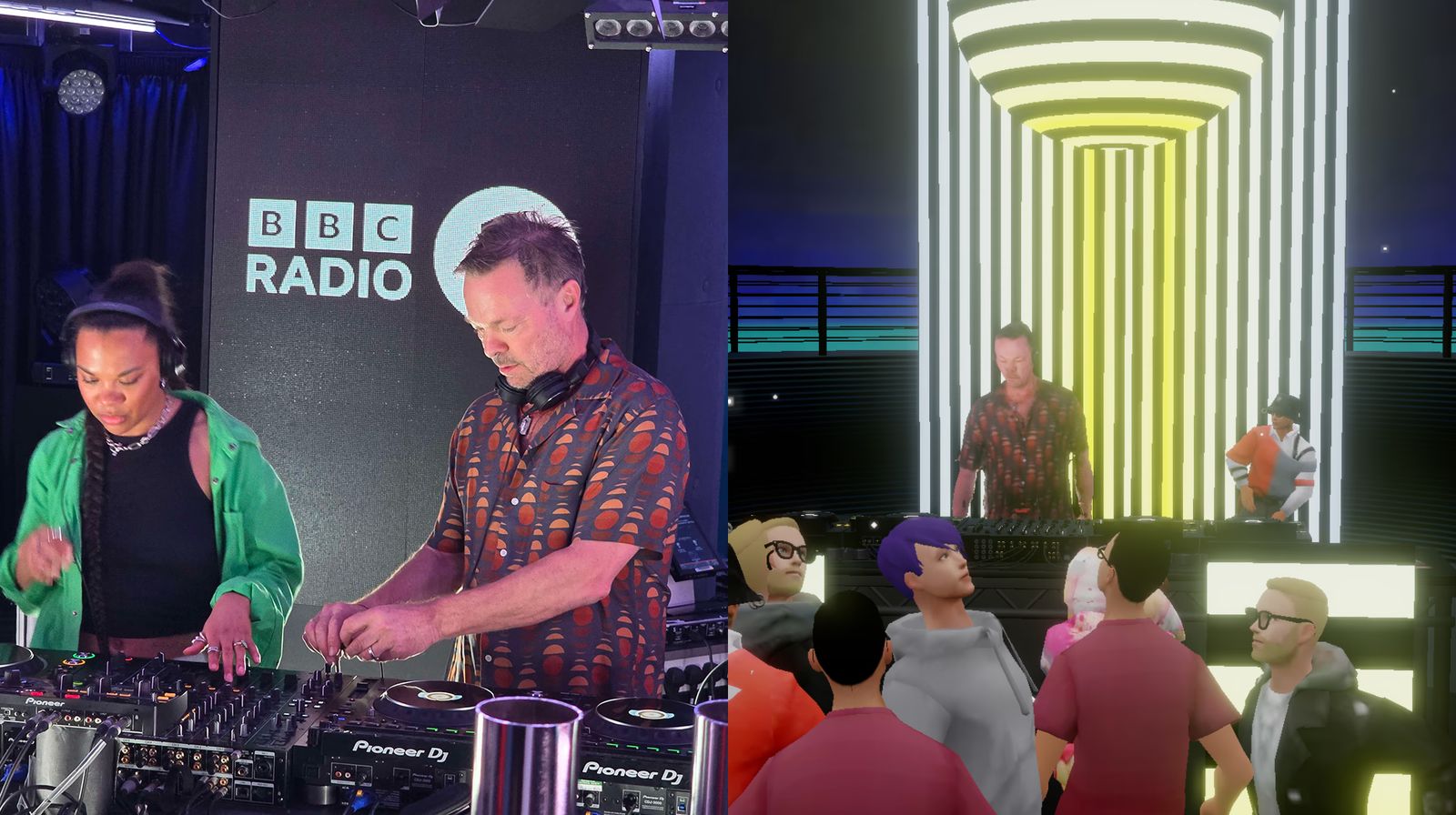
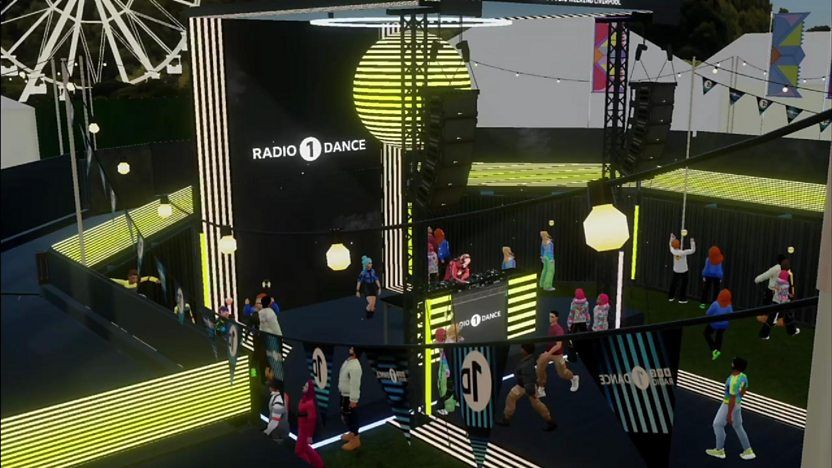
At Big Weekend in Liverpool, one of the BBC's largest outside broadcasts, we streamed the Dance stage live into the Portal over three days. It made Big Weekend the first major outdoor festival to broadcast performances in real time across radio, TV and a browser-based immersive venue.
What it added up to
Success here wasn't a single traffic figure. The real value was learning what a new kind of live experience could become, and who it could reach.
Virtual attendees at Big Weekend described feeling like they'd seen their favourite DJs live and been to a real festival. Again and again, people told us these experiences got them past the barriers that usually kept them away from gigs, clubs and festivals.
The wider team's work, including the Radio 1 Dance Portal at Big Weekend, was recognised by the industry:
- Gold, MUSE Design Awards 2025 Conceptual Design, Media and Music
- Gold, MUSE Design Awards 2025 Conceptual Design, Entertainment
- Winner, Broadcast Tech Innovation Awards 2025 Best Innovation Project
- Winner, Broadcast Tech Innovation Awards 2025 Best Tech Innovation in Live Production
What I learned
There was no rulebook for this. It needed technical ambition, creative thinking and a willingness to change direction as we learned, while keeping two quite different perspectives pointed at the same audience.
It reinforced the belief at the heart of how I work:
Content isn't just how we explain a product once it's been built. It's one of the ways we shape the product in the first place.